
10 Key Characteristics of a Good Follower
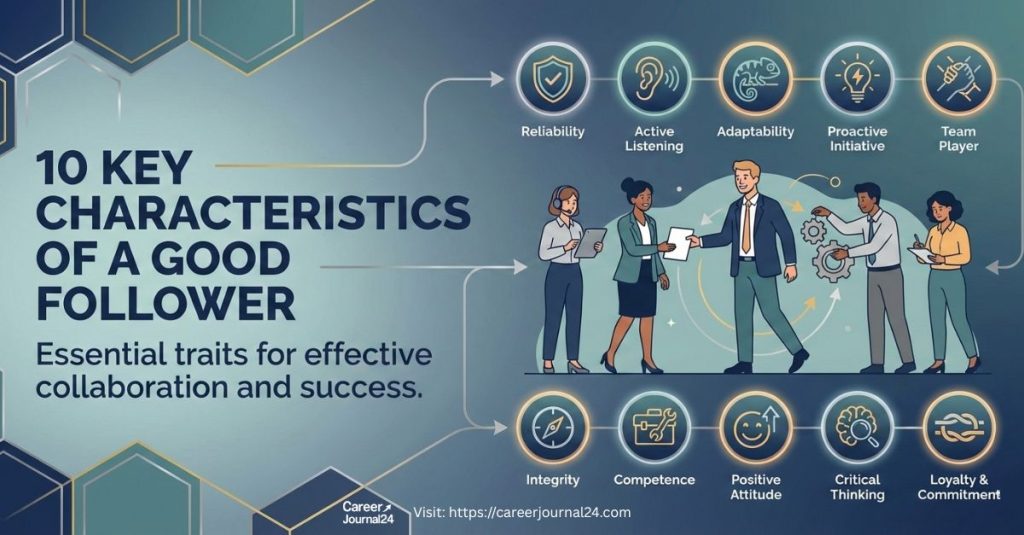
We live in a world obsessed with leadership. From LinkedIn influencers to bookstore shelves lined with manuals on how to lead, the spotlight rarely shifts away from the person at the head of the table. However, behind every visionary CEO or successful project manager is a team of individuals who actually get the work done. The truth is that most of us spend the majority of our careers as followers, yet we rarely talk about how to do it well. Mastering the characteristics of a good follower is not about being a “yes-man” or a passive observer. It is about a proactive, dynamic partnership that drives results.
Understanding the nuance of followership is the “cheat code” to rapid career advancement. When you embody the right good follower characteristics, you become indispensable. You aren’t just a cog in the machine; you are the engine. This article explores how to cultivate these traits to transform your professional life and the success of your team.
What Followership Really Means
Most people view followership as a secondary status, something you endure until you finally get a promotion. This mindset is a mistake. High-level followership characteristics are actually the exact same traits required for high-level leadership. If you cannot support a vision, you will struggle to create one that others want to follow.
In modern workplace dynamics, the line between leader and follower is constantly shifting. One day you might be leading a small task force, and the next, you are supporting a colleague’s initiative. Developing the qualities of good followership allows you to navigate these transitions with grace. It creates a culture of mutual respect where the goal is the priority, not the ego.
Followership is a social relationship. It is the willingness to cooperate in the accomplishment of a common goal. Effective followers are those who are both independent, critical thinkers and active participants.
10 Key Characteristics of a Good Follower
To truly excel in any organization, one must understand the specific characteristics of followership that leaders value most. These are not personality traits you are born with; they are skills you can sharpen over time.
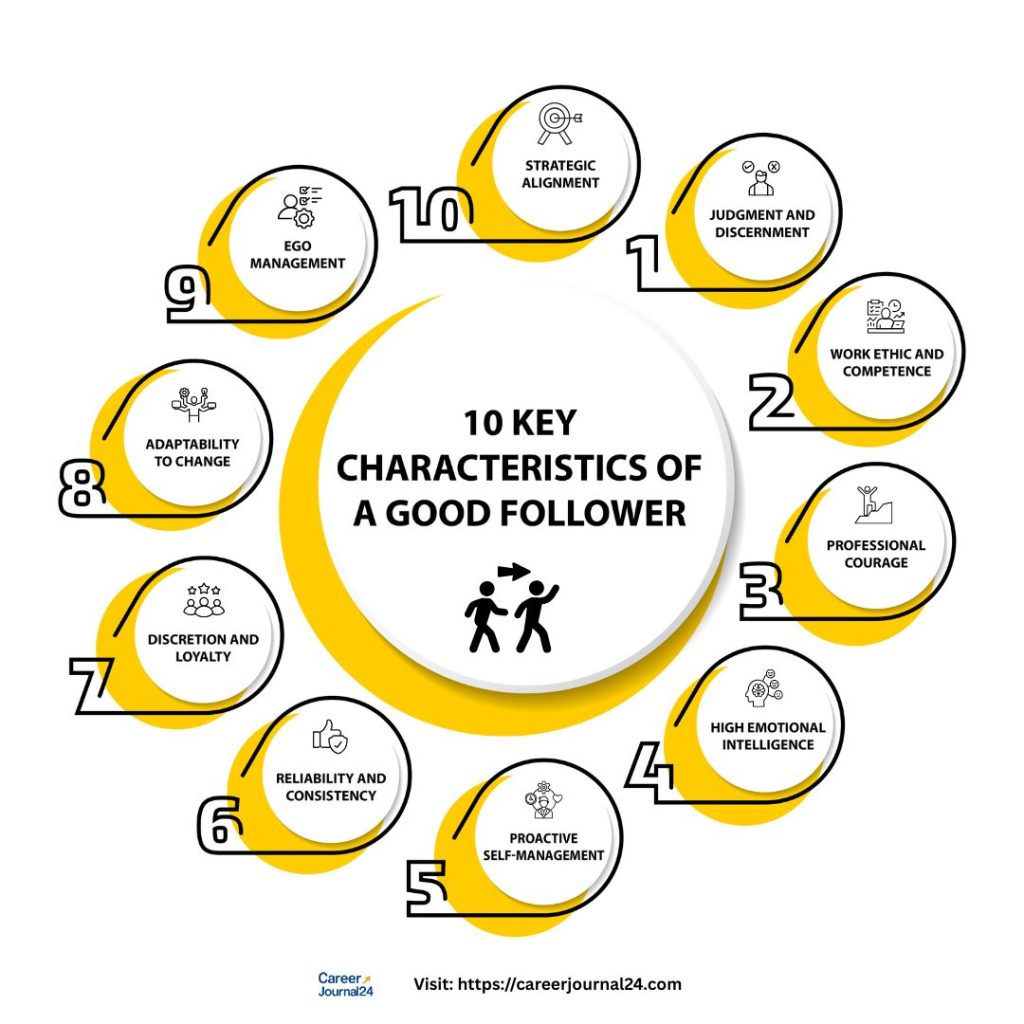
1. Judgment and Discernment
A good follower knows when to follow instructions and when to ask questions. They do not blindly walk off a technical or ethical cliff just because a leader suggested a direction. Instead, they use their professional experience to weigh the risks and rewards of a particular path. This trait requires a balance of respect for authority and a commitment to the truth. When a follower exercises good judgment, they act as an early warning system for the entire team, identifying potential pitfalls before they become disasters.
2. Work Ethic and Competence
Technical competence is the foundation of all follower characteristics. If your leader has to constantly double-check your work for basic errors, you are a liability rather than an asset. Being exceptional at your core job functions earns you the trust needed to speak up when you disagree later on. A strong work ethic implies that you are not just “putting in time” but are dedicated to producing high-quality outcomes that reflect well on the department.
3. Professional Courage
It takes significant backbone to tell a manager that their favorite idea might not work in practice. A great follower has the integrity to provide honest feedback, even when the environment is high-pressure. This courage is not about being difficult; it is about protecting the leader from making a public or costly mistake. By offering a dissenting view in private, you provide the leader with the full picture necessary for sound decision-making.
4. High Emotional Intelligence
The workplace is a social ecosystem that requires constant calibration. One of the most underrated qualities of good followership is the ability to read the room and understand the emotional state of the team. If a leader is under extreme stress due to a board meeting, a good follower provides calm support rather than adding more administrative problems to their plate. Recognizing the unspoken needs of others makes you a stabilizing force within the organization.
5. Proactive Self-Management
You should not need a babysitter to stay on track. A hallmark of characteristics of a good follower is the ability to work without constant supervision. These individuals manage their own time, set their own internal deadlines, and keep themselves motivated through long-term projects. When a follower is self-managed, the leader is freed up to focus on strategy and growth rather than micromanaging daily tasks.
6. Reliability and Consistency
In the fast-paced world of entrepreneurship, reliability is a rare and valuable currency. A good follower is someone the team can rely on regardless of the circumstances. They show up prepared, follow through on their promises, and maintain a steady level of output. This consistency builds a reputation as a “go-to” person, which is often the quickest path to being considered for leadership roles.
7. Discretion and Loyalty
True loyalty is about being a safe harbor for a leader. They need to know that what is discussed in confidence stays that way. This does not mean hiding illegal or unethical behavior, but rather respecting the privacy of internal strategy and personal professional struggles. This discretion builds a bridge of trust that allows for deeper collaboration and gives the follower more “behind-the-scenes” access to how the organization actually runs.
8. Adaptability to Change
Modern organizations change at lightning speed. A follower who resists every new software update or office restructuring becomes a bottleneck for the whole team. Being flexible and helping others navigate change is a vital skill. Good followers view change as an opportunity to learn new skills rather than a threat to their comfort zone, which makes them highly resilient in shifting markets.
9. Ego Management
A great follower understands that the collective mission is more important than their individual need for public credit. They are comfortable letting the leader take the spotlight if it means the team reached its objective. This humility actually makes them more likable and easier to promote, as they aren’t perceived as a threat by their peers or their superiors. It fosters a culture where results matter more than optics.
10. Strategic Alignment
This means understanding the “Big Picture” of the organization. When you understand how your daily tasks contribute to the company’s annual revenue or mission goals, you make better micro-decisions. You become a strategic partner rather than just a task-executor. This alignment ensures that your energy is always focused on the activities that provide the highest value to the company.
How to Develop Better Followership Skills
Developing your follower characteristics is a deliberate process that requires self-reflection and a commitment to professional growth. Follow these six steps to elevate your impact within your team.
1. Evaluate Your Current Followership Style
Start by identifying where you currently sit on the followership spectrum. Are you a passive follower who waits for instructions, or are you an alienated follower who thinks critically but doesn’t engage? Use tools like the Kelley Followership Questionnaire to get an objective view of your habits. Awareness is the first step toward moving into the “Effective Follower” quadrant.
2. Align with the Leader’s Goals
Schedule a meeting specifically to discuss your leader’s top three priorities for the quarter. Understanding their pressure points allows you to tailor your work to alleviate their stress. When your efforts directly support the leader’s primary objectives, your value to the organization increases exponentially.
3. Master the Art of Managing Up
Managing up is about streamlining the communication between you and your supervisor. Observe their preferences: do they want detailed reports or high-level summaries? Do they prefer morning huddles or end-of-day emails? By adapting to their style, you reduce friction and ensure that your contributions are seen and understood in the format they value most.
4. Develop Independent Critical Thinking
Practice looking at projects from a 360-degree perspective. Before you bring a problem to your leader, try to brainstorm three potential solutions. This shifts you from a “problem-bringer” to a “solution-finder.” It demonstrates that you are thinking about the business as a whole rather than just your narrow set of responsibilities.
5. Cultivate Personal Reliability
Build a reputation for being the most dependable person on the team. This involves small habits like arriving five minutes early to meetings, meeting every deadline, and being honest when you are over-capacity. Reliability is the bedrock of trust, and trust is the currency that buys you more autonomy and influence.
6. Seek and Apply Feedback
Don’t wait for your annual review to find out how you are doing. Ask for “micro-feedback” after a presentation or a project milestone. More importantly, demonstrate that you have applied that feedback in your next task. This shows a growth mindset and a commitment to the team’s success, which are the ultimate qualities of good followership.
Conclusion
Being a follower is an active, demanding, and highly rewarding role that serves as the backbone of every successful company. By focusing on the characteristics of a good follower, you distinguish yourself in a crowded and competitive job market. You become the indispensable partner who gets the promotions and the high-stakes assignments.
Career success isn’t just about reaching the top of the mountain; it’s about how you climb and who you help along the way. Whether you are an entry-level intern or a senior manager, your ability to follow well will always be your greatest professional asset.
Would you like me to help you draft a specific email to your manager to initiate a “managing up” conversation?






One Comment