
How to Start a Baking Business at Home: Steps and Tips
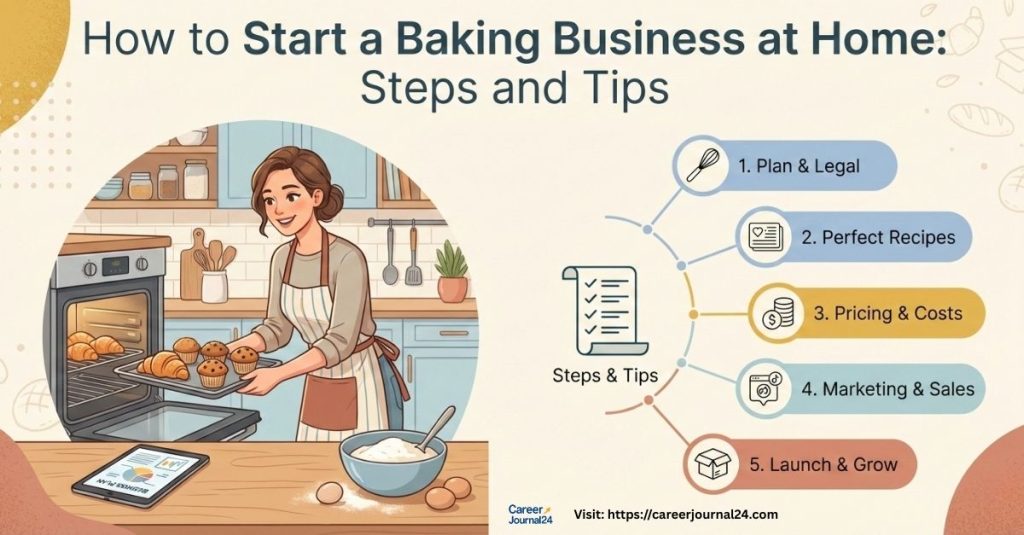
Starting a baking business at home is a dream for many people who love baking and want to turn that passion into income. If you enjoy baking cakes for family events, that passion already has value. You might also enjoy experimenting with cookies on weekends or spending late nights perfecting bread recipes. In all these situations, baking as a business from home can become both fulfilling and profitable when done right. In this piece of content, you will learn how to start a baking business at home step by step. We will cover planning, costs, kitchen setup, pricing, legal basics, and real-life tips that help beginners avoid common mistakes. The ideas are practical, relatable, and easy to apply even if you are starting small.
Why a Home Baking Business Is a Smart Idea
Before diving into the step-by-step process, it’s worth highlighting why learning how to start an at home baking business is such a great entrepreneurial move. Unlike many other businesses, a home bakery has a low barrier to entry, making it accessible to almost anyone with a passion for baking and a little bit of planning.
First, the startup costs are significantly lower than opening a brick-and-mortar bakery. You won’t have to pay for expensive commercial rent or fully outfit a professional kitchen right away; you can start with the equipment you already own and upgrade as you earn profits. This low financial risk means you can test the waters without putting your savings on the line. In many ways, it serves as a practical blueprint for how to start a at home business with no money, as you are primarily investing your time and existing resources rather than large amounts of capital
Second, you get to set your own schedule. If you’re a stay-at-home parent, a student, or someone who already works full-time, you can take orders only on weekends or during your free time. You don’t have to adhere to strict store hours, which makes this business incredibly flexible and easy to fit into your existing lifestyle.
Third, there’s a growing demand for homemade, artisanal baked goods. According to the National Restaurant Association, 68% of consumers actively seek out local, small-batch food products, preferring them over mass-produced alternatives from grocery stores. Many customers are also willing to pay a premium for specialized items like gluten-free, vegan, or nut-free baked goods, which are often hard to find in mainstream bakeries.
Finally, it’s a deeply fulfilling business. There’s something uniquely rewarding about knowing that your baked goods are making someone’s birthday, anniversary, or ordinary weekday a little brighter. Unlike many desk jobs, running a home bakery lets you create tangible products and build personal connections with your local customers.
How to Start a Baking Business at Home
Learning how to start a baking business at home is all about breaking the process into small, actionable steps. You don’t need to have everything perfect before you take your first order; you can learn and adjust as you go. Here are the 9 key steps to launch your at-home baking business:
1. Choose Your Niche
One of the biggest mistakes new home bakers make is trying to sell every type of baked good imaginable, from cakes and bread to macarons and pastries. Spreading yourself too thin leads to lower quality products and unnecessary stress. Instead, focus on what you do best. If your chocolate chip cookies are a local legend, start with those. If you have a talent for decorating custom wedding cakes, make that your specialty.
You can also narrow down further by catering to a specific audience. For example, you could specialize in vegan gluten-free cupcakes, kid-themed birthday cakes, or sourdough bread for health-conscious customers. Niching down helps you stand out from the competition and build a reputation as an expert in your chosen area.
2. Perfect Your Signature Recipes
Once you’ve chosen your niche, take the time to test and perfect your recipes. A recipe that works for your family dinner might not be consistent enough for commercial sales. Test each recipe multiple times, measuring ingredients precisely to ensure the same taste and texture every time. Ask friends, family, and neighbors to try your baked goods and give honest feedback. This will help you refine your recipes before you start selling to paying customers.
3. Research Local Regulations
Before you bake anything for sale, you need to make sure you’re following all local food safety laws. Rules for home bakeries vary widely by country, state, and even city, so this step is non-negotiable. For example, in the U.S., most home bakers operate under cottage food laws, which outline what you can sell, how much you can earn, and what permits you need. We’ll cover these legal requirements in more detail later in this guide.
4. Prepare Your Kitchen
Your home kitchen will be your production space, so it needs to meet basic food safety standards. This includes having separate storage for business ingredients, food-safe preparation surfaces, and a dedicated handwashing station. You don’t need a fancy commercial kitchen to start, but you may need to make small upgrades like buying airtight storage containers or a digital kitchen scale. We’ll break down the exact kitchen requirements later.
5. Price Your Products for Profit
Underpricing is another common mistake for new home bakers. Many people only calculate the cost of ingredients and forget to factor in their labor, utility bills, packaging, and profit margin. To price your products correctly, add up the cost of ingredients, your hourly labor rate (aim for at least $15–$20 per hour), a portion of overhead costs like electricity, and a 20–30% profit margin. For example, if a dozen cookies cost $3 in ingredients and take 20 minutes to make, they should be priced at $10–$12, not $5.
6. Set Up Basic Business Systems
Running a home bakery isn’t just about baking; it’s also about managing orders, tracking finances, and keeping customers happy. Start by creating a simple order form that captures all necessary details: customer’s name, order type, pickup or delivery date, and special requests. You can use a Google Sheet to track orders, or free tools like Wave for basic bookkeeping. You should also create a clear cancellation policy, and most bakers require a 50% non-refundable deposit to secure large orders.
7. Build a Simple Online Presence
Most of your customers will find you online, so you need a basic digital presence. Start with a free Instagram or Facebook page where you can post photos of your baked goods, share your order policy, and interact with potential customers. You don’t need an expensive website; tools like Canva or Wix let you create a simple one-page website for free, where you can showcase your work, list your prices, and provide contact information.
8. Secure Your First Customers
Your first customers will likely come from word of mouth. Tell your friends, family, and neighbors about your business, and give them free samples to try. Ask them to share your social media pages or recommend you to their network. You can also sell your baked goods at local farmers markets or craft fairs to meet customers in person and get immediate feedback. Many home bakers land their first big order from a friend of a friend who tried their products.
9. Refine and Grow Your Business
Once you start getting regular orders, take the time to ask customers for feedback. What did they love about your products? Is there anything you could improve? Use this feedback to refine your recipes and customer service. As you earn more profits, you can reinvest in better equipment, expand your product line, or even rent a commercial kitchen if you want to scale up. Remember, you don’t have to grow big if you don’t want to; many successful home bakers keep their business small to maintain work-life balance.
Legal Requirements for Home Bakeries
Operating a home bakery legally is crucial to avoiding fines or having your business shut down. While rules vary by location, these are the five universal legal steps you’ll need to take:
a) Obtain a Food Handler’s Certificate
This short online course teaches you the basics of food safety, including how to prevent cross-contamination, store ingredients properly, and keep your kitchen clean. Most courses cost $20–$50, and the certificate is valid for 2-5 years. You can find approved courses through your local health department or the U.S. Food and Drug Administration (FDA) food safety portal.
b) Apply for a Cottage Food License or Home Bakery Permit
In most places, you’ll need a specific permit to sell food from your home. In the U.S., this is usually a cottage food license, which is issued by your local health department. Fees typically range from $30–$150, and some areas may require a health inspector to visit your kitchen to ensure it meets safety standards.
c) Register Your Business Name and Get a Tax ID
Even if you’re operating as a sole proprietor, registering your business name will protect it from being used by someone else. You’ll also need a tax identification number to file business taxes and report your income to the government. In the U.S., you can apply for a free Employer Identification Number (EIN) through the IRS website.
d) Comply with Product Labeling Rules
Most laws require you to label every baked good you sell. Labels should include a list of all ingredients, common allergens (nuts, dairy, gluten, etc.), your business name and address, and contact information. Some areas also require you to add a disclaimer that the product was made in a home kitchen.
e) Invest in Liability Insurance
While not required in all areas, liability insurance is a smart investment. It will protect you if a customer claims they got sick from your baked goods or if your products cause property damage. Most small business liability insurance policies for home bakers cost $100–$200 per year, which is a small price for peace of mind.
How Much Does It Cost to Start a Home Bakery?
One of the most common questions from aspiring home bakers is, “How much does it cost to start a home bakery?” The good news is that it’s far more affordable than opening a traditional bakery. The total startup cost will depend on how much equipment you already own, but you can expect to spend anywhere from $400 to $4,000 to get your business up and running. Here’s a breakdown of the key costs:
One‑Time Startup Costs
If you’re beginning a home bakery, the first expenses you’ll face can be grouped into four main areas.
- Licensing and permits: Expect to pay anywhere from $50 to $200 for a food‑handler certificate, a cottage‑food license and basic business‑registration fees.
- Equipment and tools: A starter kit that includes a reliable oven, hand mixer and essential bakeware usually falls between $200 and $500. Upgrading to higher‑quality mixers, digital scales or speciality piping tips can add $500 to $1,500, while purchasing a second oven for larger batches may reach $1,500‑$3,000. Savvy bakers often find gently used gear on marketplace sites, which can dramatically reduce these costs.
- Initial ingredients and packaging: Stocking up on core baking staples (flour, sugar, butter, eggs, etc.) and basic packaging (boxes, bags, stickers) typically requires $100‑$500.
- Branding and marketing: Creating a simple logo, business cards, social‑media graphics or a modest website generally costs $50‑$300.
Together, these one‑time investments set the foundation for your bakery, allowing you to focus on perfecting recipes and building a loyal customer base. By budgeting carefully and seeking affordable sources for equipment and supplies, you can keep the initial outlay modest while still launching a professional‑looking operation.
Recurring Ongoing Costs
- Monthly ingredients: $150–$800, depending on how many orders you fulfill.
- Utility bills: $50–$150 extra per month, since you’ll be using your oven and mixer more frequently.
- Annual license renewals and insurance: $100–$300.
- Miscellaneous expenses: $50–$100 for replacement pans, cleaning supplies, and other small costs.
Many home bakers start with the lowest possible investment and reinvest their profits into upgrading equipment. For example, my friend Mia started her home cookie business with just her existing oven and a $30 digital scale. She used her first month’s profits of $250 to buy a stand mixer, which cut her baking time in half and let her take more orders.
Kitchen Requirements for Home Baking Business
Your home kitchen doesn’t need to be a professional commercial space, but it does need to meet basic food safety requirements to pass health inspections and keep your customers safe. These requirements are enforced by local health departments, and they fall into two categories: mandatory requirements and recommended upgrades.
Mandatory Kitchen Requirements
- Dedicated handwashing station: You must have a sink with hot and cold running water, soap, and paper towels specifically for food preparation. You cannot use a bathroom sink for this purpose.
- Food-safe preparation surfaces: Countertops should be made of non-porous materials like stainless steel, sealed wood, or quartz that are easy to clean and sanitize. Avoid using worn or cracked surfaces that can trap bacteria.
- Separate storage for business and personal ingredients: Keep your business supplies in labeled airtight containers, stored in a separate cabinet or pantry from your family’s groceries. This prevents cross-contamination and makes it easier to track business expenses.
- Effective pest control: You must have measures in place to keep rodents and insects out of your kitchen. This includes storing food in airtight containers, cleaning up crumbs immediately, and sealing any cracks or holes in walls or floors.
- Pet-free workspace during baking: If you have dogs, cats, or other pets, they must be kept out of the kitchen while you are baking or packaging products for sale.
Recommended Kitchen Upgrades
While not required, these upgrades will make running your home bakery easier and more efficient:
- A digital kitchen scale for precise ingredient measurements, which is key to consistent baked goods.
- Extra counter space or a rolling kitchen island to give you room to assemble and decorate products.
- A second oven to bake multiple batches at once, which is essential during busy holiday seasons or for large orders.
- A small chest freezer to store bulk ingredients or finished baked goods.
If you’re unsure whether your kitchen meets the requirements, you can contact your local health department for a pre-inspection consultation. The Penn State Extension’s guide to home bakery kitchen setup also has detailed, actionable advice to help you prepare.
Final Thoughts
Stepping into the world of professional baking is a journey that combines the precision of science with the warmth of a handmade gift. By following these steps and focusing on quality, you can transform your kitchen into a thriving hub of creativity. The process of learning how to start a baking business at home is one of constant growth and discovery. You will learn as much about yourself as you do about the perfect crumb texture or the best way to temper chocolate.
The path to success is rarely a straight line, but with a whisk in one hand and a solid plan in the other, you are well on your way. Do not be afraid to start small and let your reputation grow one satisfied customer at a time. Every great baker started with a single tray of cookies and a dream to share something delicious with the world.